
If you have ever wanted a workout that teaches real skills, Brazilian Jiu Jitsu might be the most practical place to start.
Brazilian Jiu Jitsu has grown fast in the U.S., and we see the reasons every week: it is challenging, technical, and surprisingly welcoming to beginners when it is taught the right way. If you are in Hamden and you have been thinking about trying a class, it is normal to wonder if you will feel lost, out of shape, or like everyone else already knows what they are doing. You will not be the first person to ask us those questions.
We built our adult program around a simple idea: you should be able to walk in with zero experience and still have a clear path forward. Your first class is not about “proving” anything. It is about learning how to move safely, how to work with a partner, and how Brazilian Jiu Jitsu actually works in real life and in training.
In this guide, we will lay out what you can expect step by step, what you should bring, what will feel awkward at first (because some parts will), and how to decide if Brazilian Jiu Jitsu in Hamden fits your goals.
Why Brazilian Jiu Jitsu is exploding in popularity
Brazilian Jiu Jitsu is often described as technique beating strength, and that is not just a slogan. It is a grappling art focused on control, leverage, and timing. That makes it appealing to adults who want something more skill-based than simply grinding through another workout.
It is also one of the fastest-growing martial arts in America. Search interest has climbed dramatically over the last two decades, and the overall market continues to expand as more adults look for training that blends fitness, self-defense, and community. In our classes, we feel that momentum: new students show up for stress relief, confidence, weight loss, and sometimes just because they want a hobby that is not another screen.
Another reason growth continues is that the sport keeps evolving. Modern competition trends show a heavy percentage of submissions coming from chokes, and we also see more wrestling-style takedowns influencing training. That matters even for beginners because it changes how we teach fundamentals: balance, posture, and control come first.
Is Brazilian Jiu Jitsu right for you?
If you are a total beginner
Yes. Most adults start as true beginners. We expect that you do not know the names of positions, how to shrimp, or how to “frame” properly. We teach those things in plain language, and we repeat them often because repetition is how the body learns.
Your first goal is not to memorize everything. Your first goal is to understand a few core ideas: how to stay safe, how to move on the ground, and how to communicate with a partner.
If you feel out of shape
Brazilian Jiu Jitsu will get you in shape, but you do not need to “get in shape first.” Training scales. We can adjust intensity, pace, and partners so you can learn without getting crushed by fatigue. You will be sore in places you forgot existed, but that soreness is usually the good kind: your body adapting.
A nice side effect is that you build fitness while focusing on a task. Instead of counting reps, you are solving problems with your body. The time goes faster that way.
If you are older or coming back from injuries
We work with a wide range of adult ages. The key is smart training habits: controlled pace, tapping early, and choosing appropriate partners. Brazilian Jiu Jitsu can be surprisingly sustainable when you treat it like a long-term practice and not a weekly brawl.
If you have a specific medical concern, we always recommend you talk with your physician first. Then tell us what is going on so we can help you train around it.
If you want self-defense without getting punched
Brazilian Jiu Jitsu emphasizes control on the ground, escapes, and the ability to neutralize someone without relying on strikes. For many adults, that is the appeal. You learn how to manage distance, posture, and pressure, and those skills translate into real-world safety principles like staying balanced and staying calm under stress.
What happens in your first class
People usually imagine a room full of intense sparring. That is not what a first day looks like in our adult program. We want you to leave feeling like you learned something concrete and that you can come back without dread.
A typical class follows a structure that balances learning and conditioning:
1. Arrival and quick orientation so you know where to put your stuff and how the room works
2. Warm-up focused on movement skills that show up in grappling
3. Technique instruction with a clear goal and a few key details to focus on
4. Drilling with a partner at a controlled pace
5. Optional positional rounds or light rolling, depending on the class and your comfort level
6. Quick wrap-up so you know what to practice next time
If we do live training, we keep it appropriate. Positional sparring is common because it limits the chaos. For example, we might start from a specific position and work only one objective, like escaping side control or maintaining guard. It feels like training, but it is not a free-for-all.
What you will learn first (and why it matters)
Brazilian Jiu Jitsu has a lot of techniques, but beginners do not need “more moves.” You need foundations. The first weeks are usually about understanding common positions and how to survive them.
Here are the building blocks we emphasize early on:
• Base and posture so you stay balanced when someone tries to off-balance you
• Frames and escapes so you can create space and recover a safer position
• Guard concepts so you understand how legs and hips control distance
• Basic submissions and how to apply them safely, with control
• Tapping and partner communication so training stays productive and low risk
Once those pieces click, everything else starts to make more sense. You stop feeling like you are tumbling, and you start feeling like you are choosing actions.
What to wear and bring to your first session
You do not need fancy gear on day one. Clean, simple, and safe is the goal. If you are training in a gi class, we can guide you on what to wear and what size makes sense for you.
For most first classes, we recommend:
• A clean athletic shirt that fits close to the body
• Athletic shorts or leggings with no pockets or zippers
• Water bottle, because you will sweat more than you expect
• Flip-flops or slides for walking off the mat
• Trimmed nails and minimal jewelry for safety
One small detail that matters: arrive a little early. Those extra minutes lower stress, let you meet us, and give you time to breathe before you start learning something new.
How sparring works, and why it is not as scary as it sounds
Sparring in Brazilian Jiu Jitsu is called rolling, and it is one of the reasons adults stick with it. You get to test skills against real resistance, but you do it with rules, control, and respect.
The most important concept is tapping. If a position or submission is tight, you tap and your partner lets go. That is it. No ego. We coach you to tap early, especially as a beginner. Tapping is not losing. It is how you keep training consistently, which is how you improve.
We also focus on control over intensity. You will hear us talk about pace, breathing, and “working with your partner.” The goal is training, not domination.
Safety, hygiene, and training etiquette (the stuff nobody tells you)
A good first experience depends on the small habits. We keep standards high because it protects everyone and makes the room feel comfortable.
Expect these norms in our space:
• We keep the mats clean and expect clean uniforms and training clothes
• We ask you to remove shoes before stepping on the mat
• We pair new students thoughtfully so you can learn without panic
• We encourage questions, because guessing leads to sloppy reps
• We take care with submissions and prioritize control over speed
If you are worried about injury, the best thing you can do is communicate. Tell us if you are anxious, if something hurts, or if you need a breather. We would rather adjust the plan than have you push through in a way that sets you back.
How long it takes to get good (and what progress really looks like)
Adults want timelines. We get it. In Brazilian Jiu Jitsu, belt progression is measured in years, not weeks. Industry averages put the time from white to blue belt at around 2.3 years, and that number makes sense when you consider how much you are learning: movement, timing, decision-making, and composure.
But “getting good” is not just about belts. Most students notice meaningful progress earlier than that, especially if you train consistently. The first wins usually look like:
You can breathe while someone pressures you. You recognize positions instead of freezing. You escape more often. You remember one detail and it works.
If you train two to three times per week, you will build momentum. If you train once per week, you can still improve, but it will feel slower. Either way, consistency beats intensity.
Goals we can help you train for
Adult Jiu-Jitsu in Hamden attracts people with different motivations, and we plan training to support those goals without forcing you into a single mold.
Common goals we see include fitness, stress management, self-defense, competition prep, and simply learning a challenging skill. If you want to compete, we can guide you toward a more structured approach and help you understand rule sets and pacing. If you do not want to compete, that is fine too. You can still roll, learn, and progress.
The key is clarity. Tell us what you want out of training, and we will help you build a routine that fits your schedule and your body.
What your first month should look like
Your first month is about establishing rhythm. The temptation is to do too much too soon, then disappear because everything aches. We would rather you build a sustainable habit.
A realistic first month plan looks like this:
• Week 1: Learn the room, basic movement, and a couple of escapes
• Week 2: Repeat the fundamentals and start connecting positions
• Week 3: Add light positional rounds and focus on breathing
• Week 4: Start noticing patterns and ask better questions
You will still feel awkward, but it will be the productive kind of awkward. The kind that means your brain is building new pathways.
Ready to Begin with Soulcraft Martial Arts
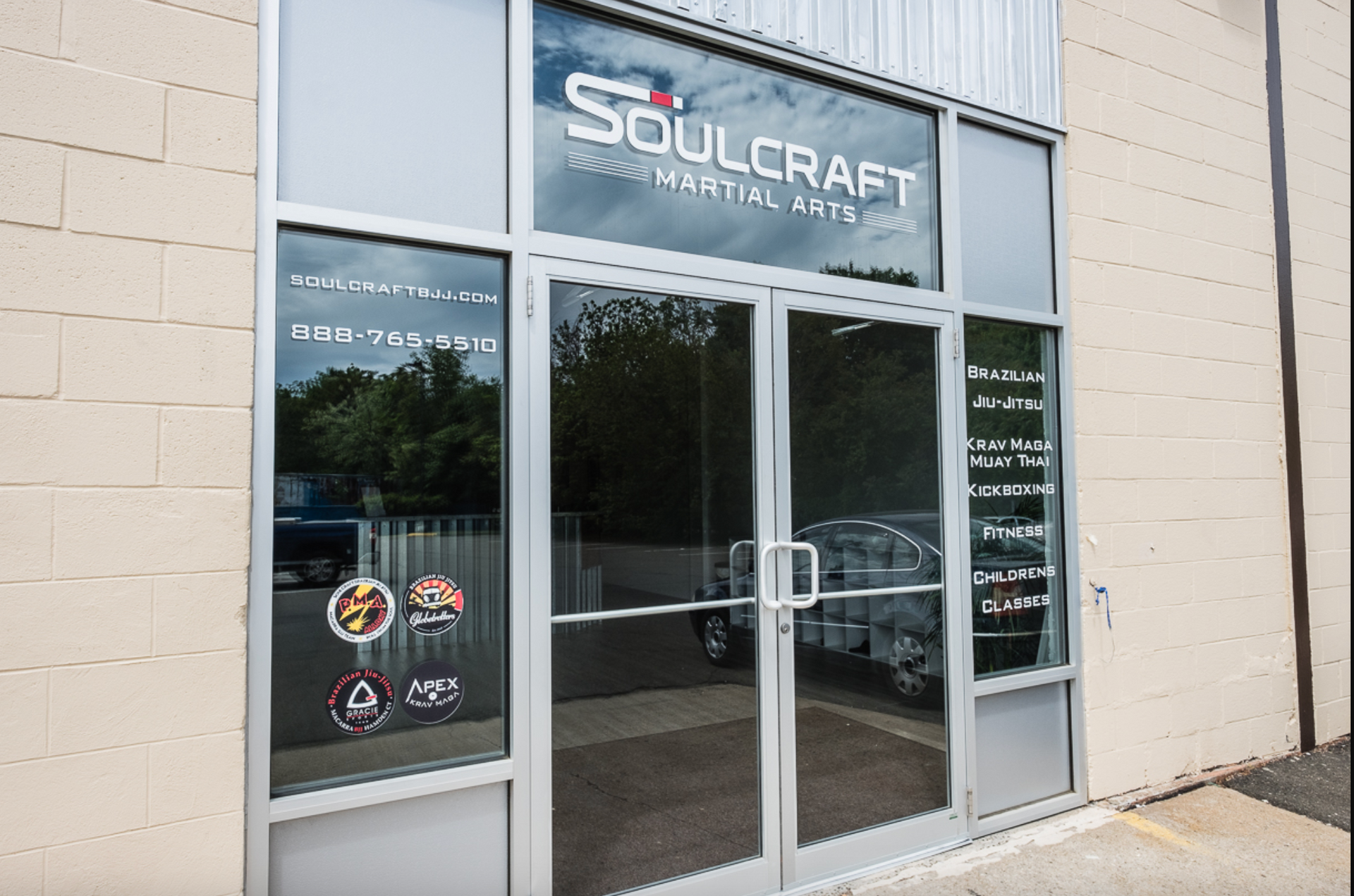
If you are curious about Brazilian Jiu Jitsu in Hamden, your best next step is simple: try a class and feel the training for yourself. We keep the environment structured, beginner-friendly, and focused on real progress, not intimidation. At Soulcraft Martial Arts, our goal is to help you build skill and confidence through consistent, smart training that fits adult life.
Whether you want a challenging workout, practical self-defense, or a long-term hobby that keeps you learning, we are ready to guide you through your first class and beyond, one clear step at a time.
New to Jiu-Jitsu? Start your journey by joining a Jiu-Jitsu class at Soulcraft Martial Arts.