
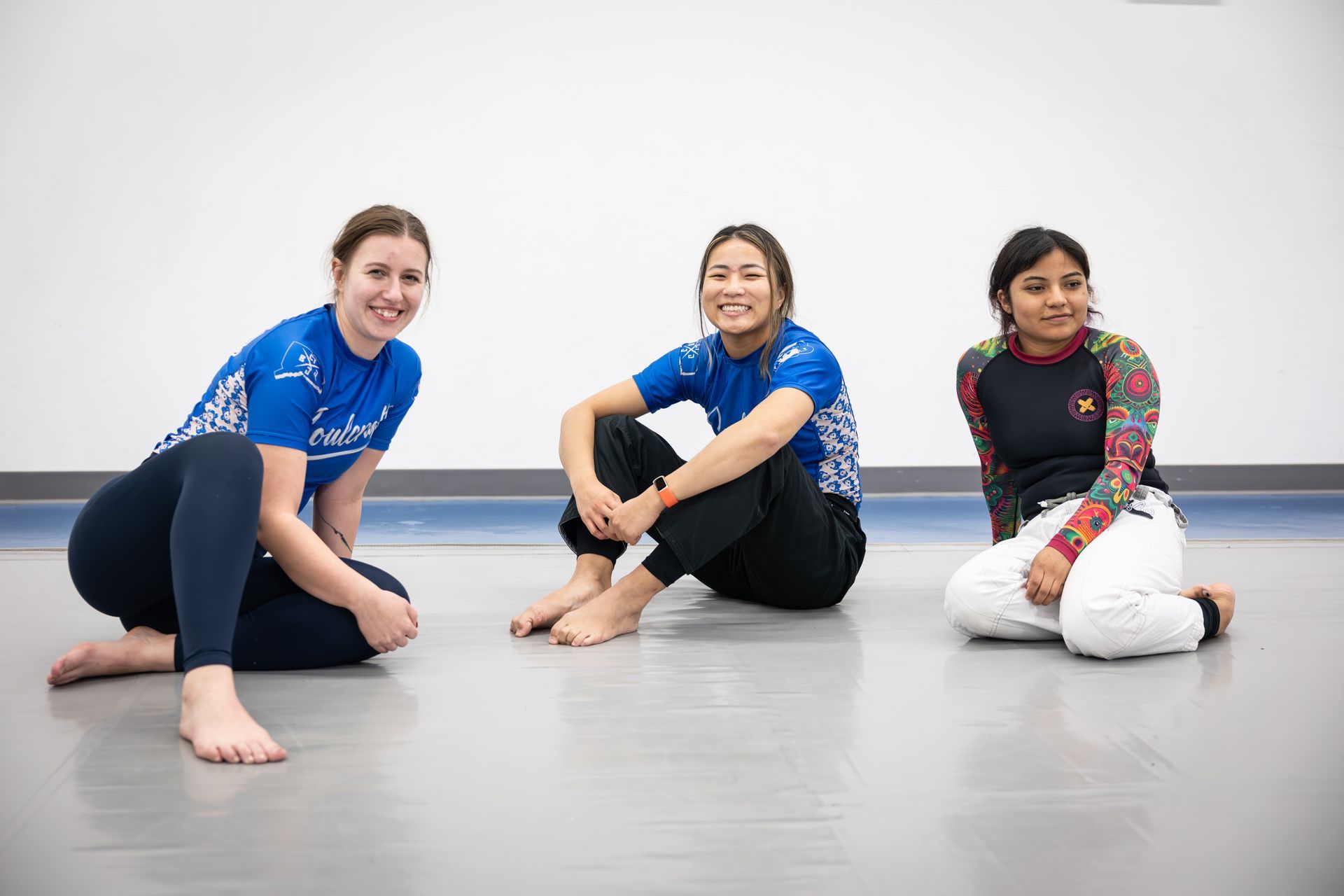
Your first class should feel structured, supportive, and surprisingly doable, even if you’re nervous walking in.
Starting Muay Thai for the first time is exciting, but it can also feel like a lot. You might be wondering if you need to be in shape first, whether everyone else already knows what they’re doing, or if you’re going to get thrown into sparring on day one. We get it, and we build our beginner experience to answer those worries before they grow legs.
In a true beginner-friendly class, the goal is not to “survive” the hour. It’s to learn how to move, how to hold your balance, and how to strike with control. Muay Thai can absolutely be a high-intensity, sweaty workout, but it should still be organized, coached, and scaled so you leave feeling proud, not overwhelmed.
If you’re looking for Muay Thai in Hamden, CT, this guide will walk you through what a first class typically looks like, what to bring, what you’ll learn, and what you can expect over your first month so you have a real roadmap, not just hype.
What Muay Thai Is (In Plain English)
Muay Thai is often called the art of eight limbs because it uses punches, kicks, knees, and elbows. For beginners, though, we keep the focus simpler: clean basics, strong posture, and safe training habits. You’ll spend more time learning how to stand, step, and guard than you will throwing fancy combinations.
What makes Muay Thai feel different from “random kickboxing” is the structure. Stance, rhythm, and balance matter a lot. So does learning to stay relaxed enough to breathe and think. That calm control is a skill, and it’s one we coach from the first class.
Your First Class, Step by Step
A first Muay Thai class typically follows a steady arc: warm up, learn fundamentals, practice with a partner or pads, then cool down. Even if you’ve never hit anything besides a heavy bag at a gym, you’ll recognize the logic once you’re in it.
1) Arrival and getting oriented
Plan to arrive a little early so you’re not rushing in tight-shouldered and flustered. We’ll help you get checked in, answer quick questions, and make sure you understand where to put your things and how the class will run.
If you feel awkward, that’s normal. Most adults do, even athletic adults. New movements plus a new environment will do that. The good news is you only have to be new once.
2) Warm-up: expect heat, sweat, and purpose
Warm-ups in Muay Thai are practical. You’ll usually see a mix of light cardio, mobility, and movement drills that wake up the hips, ankles, and shoulders. This is where you start learning the “shape” of the art without even realizing it.
Don’t worry if your conditioning isn’t great yet. We’d rather you pace yourself and keep good form than try to win the warm-up and gas out early.
3) Stance and footwork: your foundation
Before power comes control. In your first class, we’ll work on stance, guard, and how to step without crossing your feet or tipping forward. This part can feel deceptively challenging because small details matter.
You’ll hear cues like:
- Keep your hands up
- Chin down
- Stay balanced
- Don’t reach for strikes
- Return to guard
That repetition is on purpose. Balance and guard position are what keep you safe and make your strikes work.
4) Basic strikes: simple tools used well
First-class techniques usually include a few core strikes, taught in a clean, beginner-friendly way. Expect to work on:
- Jab and cross (basic straight punches)
- Teep (a front push kick that helps manage distance)
- Roundhouse kick (typically introduced with control and step-by-step mechanics)
You might also learn basic defensive movement, like slipping your head off the centerline or taking a small step back while keeping your stance. We don’t chase speed right away. We coach you to feel stable, keep your eyes up, and move with intention.
5) Pad work and partner drills: where it starts to click
Pad work is often the highlight for beginners because it makes the techniques feel real. You’ll practice the same strikes you just learned, but now you’ll aim them at a target. That’s where coordination and timing start to come alive.
We keep partner work controlled and coached. The first goal is accuracy and rhythm, not power. If you’ve ever worried about hurting someone or getting hurt, this is where you’ll notice how much safety and structure matter.
6) Cool down and stretching
Classes typically end with breathing, light stretching, and quick reminders about what you practiced. This matters more than people think. Cooling down helps your recovery, and it also gives your brain a moment to file away what you just learned so next class feels less “new.”
What to Wear and What to Bring (Keep It Simple)
You don’t need a shopping spree before you try your first class. Start with basics and let your gear build as your consistency builds.
Here’s what we recommend bringing:
- Comfortable workout clothes like a t-shirt and athletic shorts
- Water, because you will sweat more than you expect
- A small towel for hands and face
- An open mind and a willingness to go one step at a time
Muay Thai is trained barefoot, so you won’t need shoes on the mat. If you have long hair, bring something to tie it back. Small thing, big quality-of-life improvement.
If you continue training, gloves and hand wraps become useful pretty quickly. For your first day, we’ll help you understand what you actually need and what can wait.
What You Will Not Do in Your First Muay Thai Class
A lot of adults hesitate because they imagine a first class looks like a fight scene. It doesn’t. Beginner training should feel challenging, but not chaotic.
In a normal first class:
- You won’t be expected to spar right away
- You won’t be asked to throw advanced spinning techniques
- You won’t be judged for taking breaks or asking questions
- You won’t be told to hit as hard as possible
- You won’t be “behind” if you show up consistently and focus on fundamentals
If something doesn’t make sense, we’d rather you ask. That’s part of good training culture.
How Hard Is Muay Thai, Really?
Muay Thai can be intense. It uses your legs, hips, shoulders, and lungs all at once. The first class often feels like learning a new language while doing cardio, which is a humbling combo.
But intensity is adjustable. You can scale power, speed, and volume. A good first class challenges you while still letting you finish with decent form. You should feel worked, maybe a bit wobbly, but also energized in that “I did something real today” way.
A Few Beginner Questions We Hear All the Time
Do I need experience before my first class?
No. We assume you’re brand new. Our coaching starts at the foundation: stance, footwork, and basic strikes. If you have experience, great, but it’s not required.
What if I’m out of shape?
Being “in shape” is not the entry fee. Training is how you get in shape. You’ll build conditioning through consistent practice, and you’ll be surprised how quickly your body adapts when you show up regularly.
Should I eat before training?
Yes, but keep it light. A full meal right before class can feel rough. Many adults do best with something small 60 to 90 minutes beforehand, plus water. If you train after work, even a quick snack can help you avoid feeling empty halfway through.
How sore will I be after class?
A little sore is normal, especially in the hips, calves, and shoulders. It’s usually the “I used my body differently” soreness, not the “something is wrong” kind. Hydrate, sleep, and keep moving the next day. Light walking helps.
How is Muay Thai different from kickboxing for first-timers?
For beginners, the biggest difference is often the emphasis on stance, balance, and how you manage distance. The teep, the rhythm of stepping, and the way we return to guard after each strike are big pieces. You’ll also hear more about controlling the centerline and staying stable under fatigue.
What You’ll Learn in Your First 30 Days
Most adults want to know what progress looks like early on. The first month is where you learn the flow of class and start building real confidence.
In your first 30 days, you can expect to work on:
1. Stance, guard, and footwork so you feel stable and coordinated
2. The jab and cross with clean mechanics and safe wrist alignment
3. The teep and roundhouse kick with control and balance first
4. Basic defense like head movement, blocking, and stepping off line
5. Pad work combinations that build timing, not just exhaustion
6. Conditioning that improves naturally as your technique becomes smoother
Something interesting happens around week three or four: you stop thinking about every tiny step, and your body starts to “find” positions faster. That’s when training feels less like a puzzle and more like a practice.
Etiquette and Mindset That Make Your First Class Better
Muay Thai is physical, but the mindset is what helps you stick with it. We’d rather you train consistently at 70 percent than go 110 percent once and disappear for a month.
A few habits go a long way:
- Arrive early enough to settle in and listen
- Focus on one correction at a time instead of trying to fix everything
- Breathe, especially when you feel tense
- Tap the brakes if you feel sloppy, because sloppy usually means tired
- Respect your partner by keeping contact controlled and predictable
If you leave class thinking, “That was harder than I expected, but I can do it,” that’s a win.
Why Adults Start Muay Thai in Hamden, CT (And Why It Works)
Adult life is busy. Work schedules, family responsibilities, and the general chaos of modern life mean your training has to fit into reality. That’s one reason Adult Muay Thai in Hamden is such a strong option for people who want a challenging workout that also builds a practical skill.
Muay Thai gives you:
- A full-body fitness routine that doesn’t feel like staring at a treadmill
- Stress relief that’s physical, focused, and honestly pretty satisfying
- Confidence from learning a skill you can measure and improve
- A practice you can grow into, even if you start with zero experience
And because you’re training with structure, you don’t have to wonder what to do each day. You show up, follow the coaching, and progress stacks up faster than you’d think.
Take the Next Step
If you’ve been thinking about trying Muay Thai, your first class is the best way to replace uncertainty with real information. You’ll see how we organize training, how we coach beginners, and how quickly fundamentals start to feel natural once you’re moving.
At Soulcraft Martial Arts, we keep the path clear: learn the basics, build control, and earn intensity over time. If you’re ready for Muay Thai in Hamden, CT that’s approachable for adults and still genuinely challenging, we’d love to have you join us on the mat.
New to Jiu-Jitsu? Start your journey by joining a class at Soulcraft Martial Arts.