
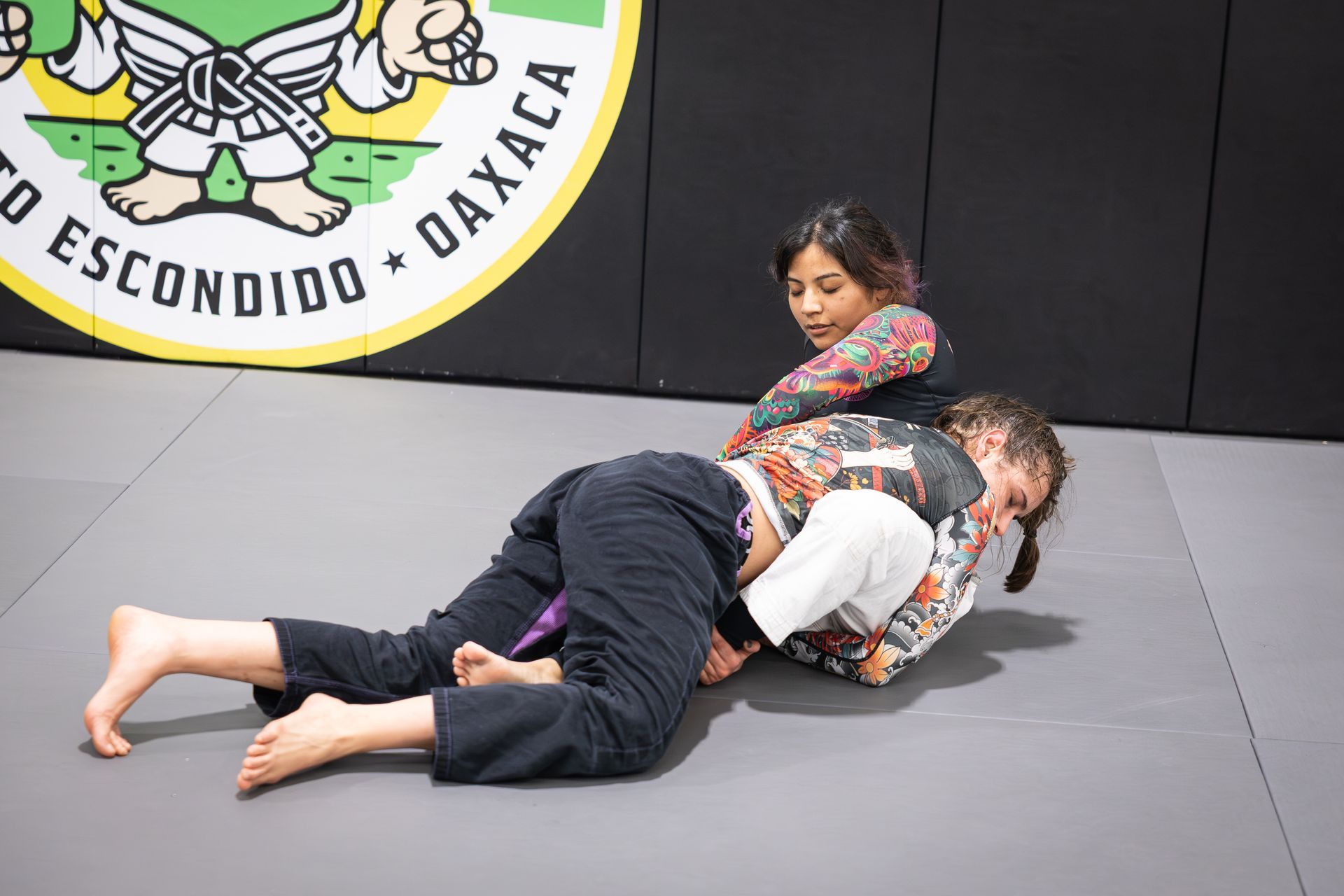
Jiu-Jitsu rewards consistency more than talent, and the right training structure makes progress feel surprisingly fast.
In Hamden, life moves at a steady pace, but most of us still want results now, not “someday.” That’s one reason Jiu-Jitsu has taken off: it’s practical, measurable, and built on skills you can feel improving week to week. We see it all the time, especially with adults who walk in thinking they’re “too out of shape” or “too busy” and then realize the learning curve is friendlier than expected.
There’s also a bigger trend behind it. Interest in Brazilian jiu-jitsu has surged across the U.S. over the last two decades, and participation has grown into the hundreds of thousands of practitioners nationwide. That doesn’t happen because it’s easy. It happens because it works, and because the process (when taught well) makes people want to come back.
This article breaks down the real “secrets” behind fast progress: how we structure training, what actually builds confidence, and what you can do on day one to start improving in a way that sticks.
Why progress in Jiu-Jitsu can feel fast (when the fundamentals are clear)
One of the best things about Jiu-Jitsu is that it gives you feedback immediately. You try a technique, you feel whether it works, and you adjust. That feedback loop is what makes skill-building accelerate, especially compared to fitness routines where progress can feel invisible for weeks.
We keep fundamentals front and center because fundamentals are what show up under pressure. When you know where your hands go, how your hips move, and how to breathe while you’re working, your improvement isn’t random. It’s repeatable.
Confidence follows the same pattern. It rarely appears as a sudden “I’m fearless now” moment. It shows up as smaller wins: staying calm in a bad position, escaping a hold you couldn’t escape last month, or realizing you can solve problems while tired. Those small wins stack up.
The confidence formula: controlled discomfort, coached reps, real wins
Confidence in martial arts is different from hype. You don’t get it from a speech. You get it from experience, and we take that seriously.
We create controlled discomfort on purpose: enough intensity that you have to focus, but not so much chaos that you’re just surviving. That balance lets you learn. When you train this way, your nervous system adapts. Your breathing steadies. Your decision-making gets cleaner. You stop panicking when someone closes distance or puts weight on you.
Coaching matters here, too. If you’re doing ten sloppy reps, you’re practicing being sloppy. We’d rather help you do fewer reps with better alignment, better timing, and better understanding. That’s how skills build quickly without feeling fragile.
And then there are real wins, the kind that actually land. Not “winning” like a highlight reel, but practical wins like:
- maintaining posture in someone’s guard,
- escaping the mount using proper frames,
- finishing a simple choke with control instead of strength.
Those are the moments that make you walk out a little taller, even if you’re sweaty and a bit exhausted.
The “fast skill” mindset: stop collecting moves and start solving problems
People often assume getting good at Brazilian Jiu-Jitsu in Hamden means learning a huge library of techniques. Technique matters, but the fastest progress usually comes from understanding a smaller set of problems really well.
Instead of chasing endless variations, we focus on repeatable situations:
- How do you stay safe when someone is on top?
- How do you escape when you’re pinned?
- How do you pass the guard without getting swept?
- How do you finish a submission with positioning, not a tug-of-war?
When you train around problems, your brain organizes information better. You start seeing patterns, not just moves. And once you see patterns, you get faster. You react sooner, you waste less energy, and you stop feeling “one step behind.”
What “good training” looks like for Adult Jiu-Jitsu in Hamden
Adults need training that respects time and recovery. You might have work the next morning, a family schedule, or simply a body that doesn’t love random intensity spikes. Our goal is to help you train hard enough to improve while still being able to show up consistently.
A strong adult class experience usually includes:
- a clear technique theme for the day,
- progressive drilling that builds timing,
- positional rounds where you practice the exact scenario,
- live sparring with structure so you aren’t guessing.
We also keep the room welcoming. Not everyone wants a chest-thumping atmosphere. Most adults want a place where effort is respected, questions are normal, and you can be new at something without feeling weird about it.
The beginner “secrets” we teach early (because they prevent frustration)
The first few weeks in Jiu-Jitsu can feel like learning a new language while someone is gently trying to fold you into a pretzel. That’s normal. But a few early habits dramatically speed up your progress.
Here are the beginner principles we emphasize because they pay off fast:
- breathe through effort and reset your breath between exchanges,
- build frames with your forearms and elbows instead of pushing with hands,
- move your hips first when escaping, not your head or shoulders,
- protect your neck and keep your posture when inside guard,
- learn where “safe” positions are so you stop scrambling blindly.
These aren’t flashy. They’re the boring stuff that makes everything else work. And once these click, you’ll feel the difference immediately.
How we help you improve quickly without training like a full-time athlete
You don’t need to train twice a day to get good. You need a repeatable plan and consistency. Most adults do best with a schedule that’s realistic, not heroic.
We encourage a simple rhythm: show up, train with focus, recover, repeat. If you can train two to three times a week, you’ll build momentum. If you can train more, great, but we still want you healthy and learning.
What speeds progress most is purposeful training. That means you’re not trying to “win every round.” You’re trying to improve one thing at a time. Maybe today you’re practicing guard retention. Maybe you’re working on top pressure without rushing. That focus turns every class into compounding progress.
The role of sparring: why it builds skill and confidence at the same time
Some people worry that sparring is too intense, especially at the start. The truth is, smart sparring is one of the safest and fastest ways to improve because it reveals what you actually understand.
We keep sparring coached and respectful. You’ll learn how to choose training partners, how to pace yourself, and how to tap early and often so your body stays intact. That last part matters. Tapping is not losing; tapping is learning with longevity.
Sparring also builds a specific kind of confidence: the calm kind. You learn you can be uncomfortable and still make good decisions. You learn you can get stuck and still escape. You learn you can make mistakes and come back the next round without spiraling. That’s a life skill, not just a martial arts skill.
A simple plan to build skills fast in Brazilian Jiu Jitsu in Hamden
If you want a concrete approach, this is what we recommend. Nothing fancy, just effective.
1. Pick two core goals for your first month, like escaping pins and maintaining posture in guard.
2. Train consistently on the class schedule you can actually maintain.
3. Ask one question per class so confusion doesn’t pile up.
4. Do positional rounds with intention, even if you “lose” the position repeatedly.
5. Track one small win each week, like a cleaner escape or better breathing under pressure.
This is how progress becomes visible. You’re not guessing whether you’re improving. You’re noticing it in real situations.
What confidence looks like after a few months (and why it carries over)
After a few months of steady Adult Jiu-Jitsu in Hamden, most people notice changes that have nothing to do with muscles. Your posture improves. Your stress response cools down faster. You start feeling capable in unfamiliar situations because you practice problem-solving under pressure every week.
You may also notice something unexpectedly simple: your body feels more coordinated. Jiu-Jitsu teaches you how to connect your hips, hands, and feet as one system. That coordination makes everyday movement feel easier, from carrying groceries to sitting with better alignment at your desk.
And yes, the confidence shows up socially, too. When you’ve trained something challenging with other people, you tend to feel more comfortable being new at things in general. You stop needing to be perfect before you start. That’s a quiet superpower.
Take the Next Step
Building real skill in Jiu-Jitsu comes down to a few ingredients: clear coaching, consistent reps, and a training environment where you can push yourself without feeling like you have to prove anything. That’s what we aim to deliver every week, class after class.
If you’re ready to experience that process in person, we’d love to welcome you at Soulcraft Martial Arts here in Hamden. You can start exactly where you are right now, and we’ll help you build confidence and ability in a way that feels earned and sustainable.
Turn your knowledge into hands-on training by joining a Jiu-Jitsu class at Soulcraft Martial Arts.